




Dubai: From Trading Crossroads to Global Tourism Giant – An In-Depth Historical Journey
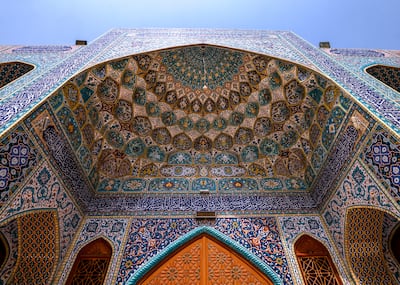
Dubai’s history stretches back centuries, long before the iconic skyline of steel, glass, and innovation defined the city. Originally a modest coastal settlement along the Persian Gulf, Dubai’s strategic position made it a natural trading hub, connecting merchants from Persia, India, East Africa, and the Arabian interior. Its natural harbor and calm waters of Dubai Creek allowed wooden dhows to ferry valuable commodities such as pearls, spices, dates, textiles, and precious metals. Persian merchants and settlers contributed significantly, shaping the local culture, cuisine, and architectural aesthetics — many of which endure today in the wind-towered homes and narrow lanes of Al Fahidi Historical District, a living testament to Dubai’s commercial and cultural roots.

For centuries, Dubai thrived not through conquest, but commerce and diplomacy. Local families, especially the Al Maktoum dynasty, cultivated strong alliances with traders, offering safe harbors, fair customs practices, and marketplaces that encouraged foreign trade. Dubai’s population remained small but cosmopolitan, consisting of Arabs, Persians, Indians, and Africans, all working together to build a resilient, trade-centered economy.

The mid-20th century discovery of oil in 1966 marked a pivotal moment. While neighboring Gulf states relied heavily on petroleum for wealth, Dubai’s leadership, under Sheikh Rashid bin Saeed Al Maktoum, envisioned a diversified future. Oil revenues were strategically reinvested into infrastructure, ports, and urban development, establishing the foundations for an economy beyond hydrocarbons. The creation of Jebel Ali Port, one of the world’s largest deep-water ports, and Dubai International Airport, transformed the city into a global trade and logistics hub.
By the 1980s and 1990s, Dubai had begun to position itself as more than a trading city. Landmark investments in hospitality, entertainment, and urban planning signaled the birth of its tourism vision. Luxury hotels such as Burj Al Arab, modern malls, and cultural centers provided a bridge between Dubai’s historic charm and futuristic aspirations. Free zones like Jebel Ali Free Zone attracted international business, while government-backed policies encouraged foreign investment, tourism, and innovation.
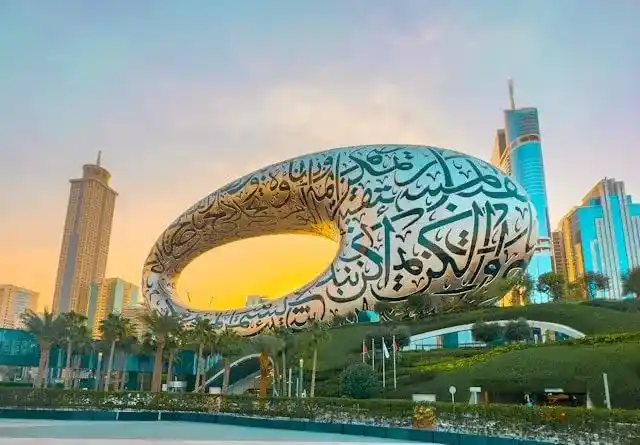
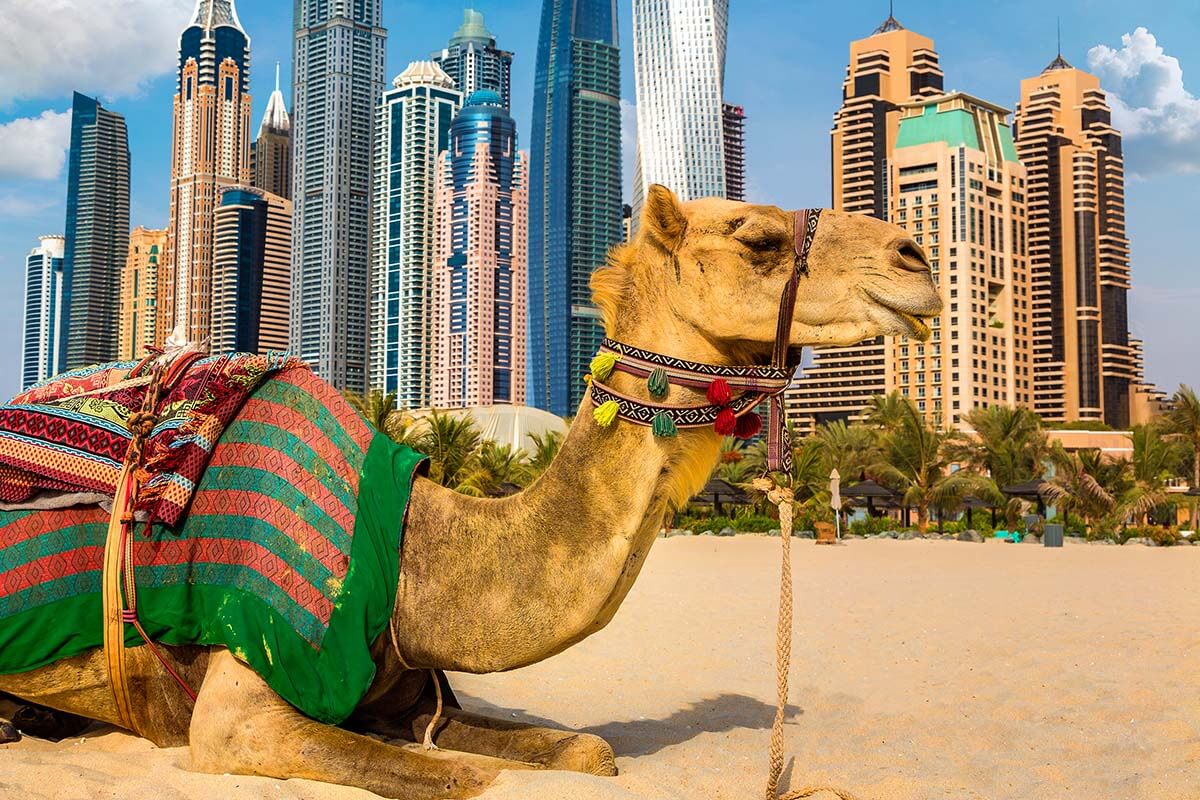
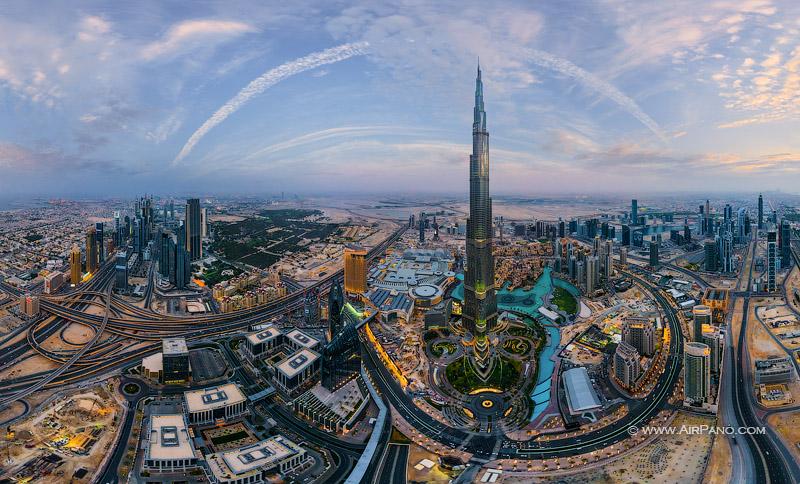
Entering the 21st century, Dubai’s ambition skyrocketed. Projects like Palm Jumeirah, Burj Khalifa, and the Museum of the Future not only demonstrated engineering prowess but also created global tourism appeal. Dubai successfully fused tradition with modernity — bustling souks sit alongside towering skyscrapers, desert safaris coexist with luxury yacht marinas, and ancient forts neighbor cutting-edge urban developments.
Today, Dubai is celebrated as a world-class tourism and investment hub, attracting millions of visitors annually. It hosts international conferences, luxury shopping experiences, cultural festivals, and sporting events, reinforcing its identity as a city of opportunity, innovation, and adventure. From its humble trading roots to a modern 5-star global destination, Dubai embodies the vision of its leaders: a city that is not only visited but experienced, invested in, and admired worldwide.
Dubai’s transformation is a living story of vision, resilience, and strategic foresight, proving that a city built on trade and cultural exchange can grow into a tourism and economic powerhouse that continues to inspire the world.
